When Is a Crown Necessary? Saving Your Tooth Structure Before It’s Too Late
You bite into your favorite snack and feel a painful crack, or maybe you've been silently living with a worn-down tooth that’s become increasingly sensitive.
You bite into your favorite snack and feel a painful crack, or maybe you've been silently living with a worn-down tooth that’s become increasingly sensitive. These moments often leave people wondering. Is this serious enough for a crown? When is a crown necessary, and could it help protect your tooth before it's beyond repair?
Leaving a damaged tooth untreated doesn’t just impact your smile, it can threaten your overall oral health, comfort, and daily function. Fortunately, dental advancements today make it possible to restore strength, function, and beauty with a dental crown. And the timing is everything.
Understanding When a Crown Is Necessary: The Basics
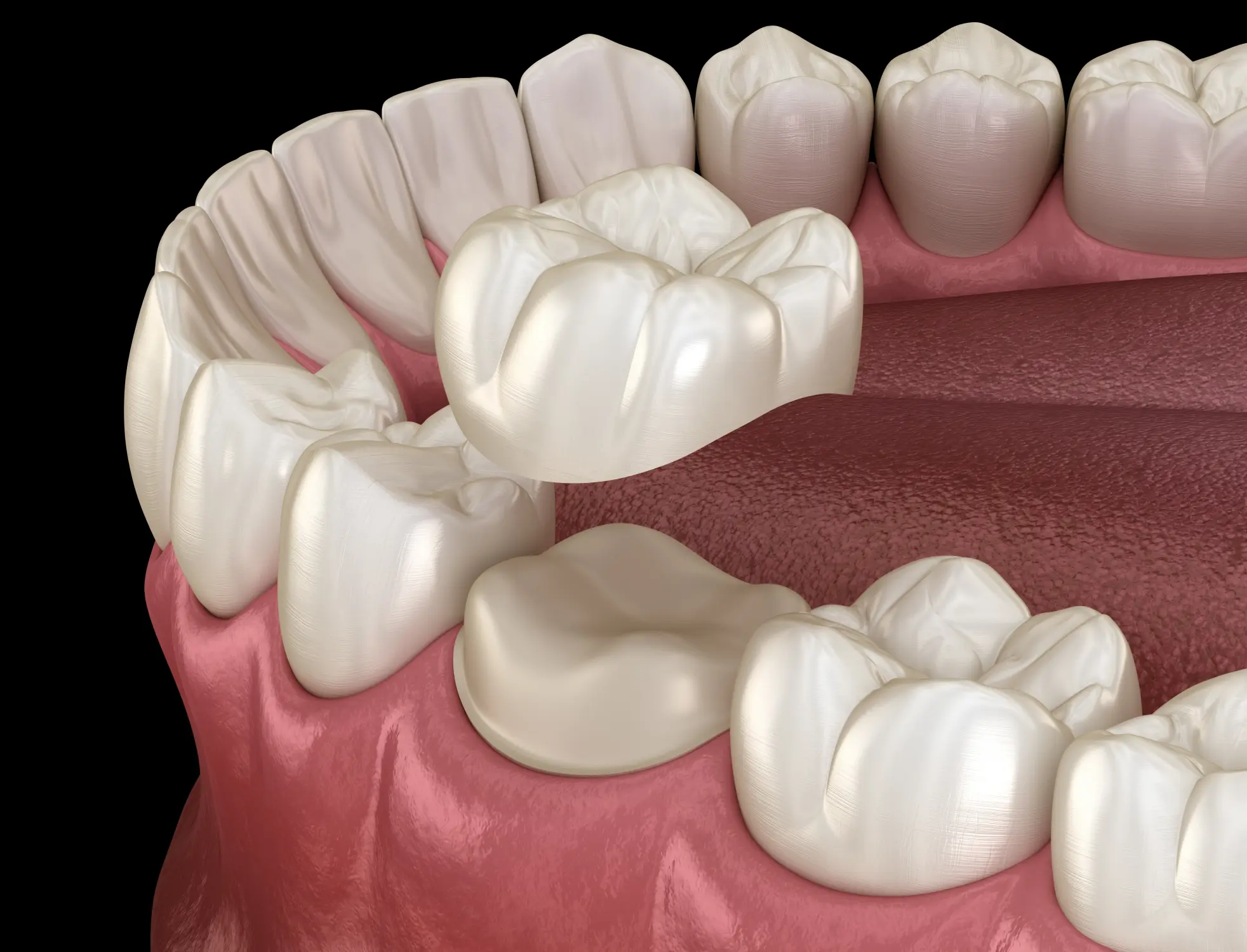
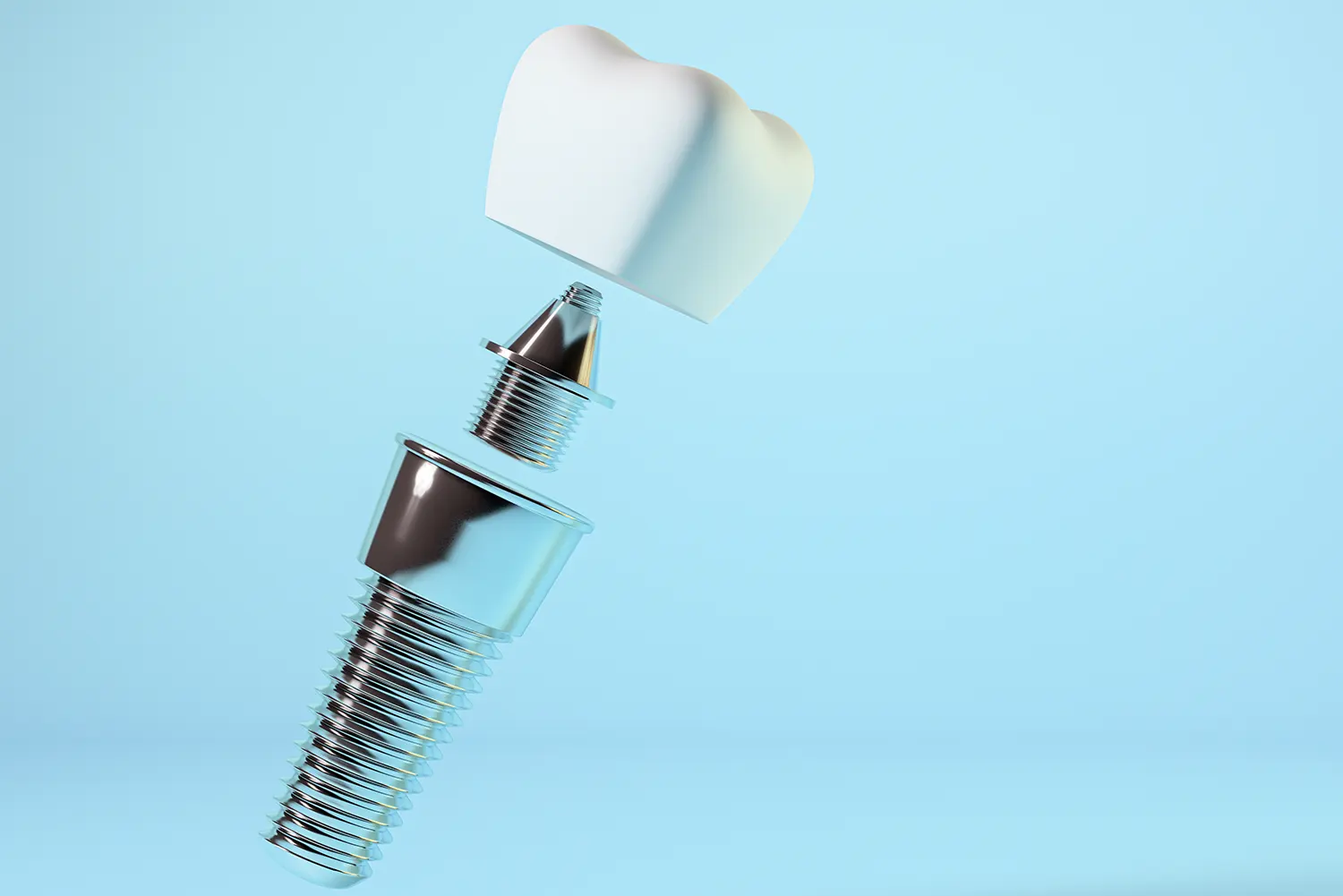
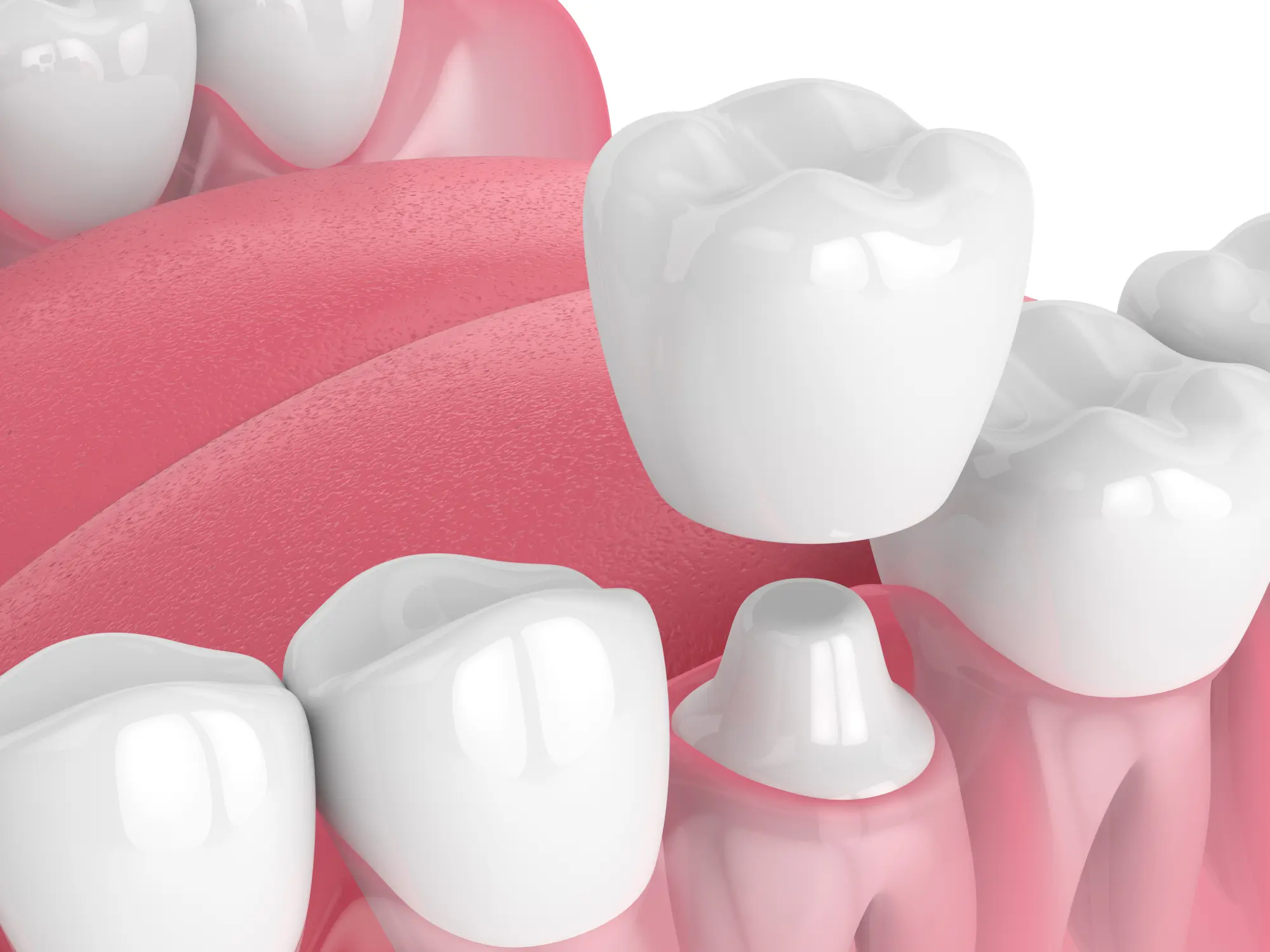
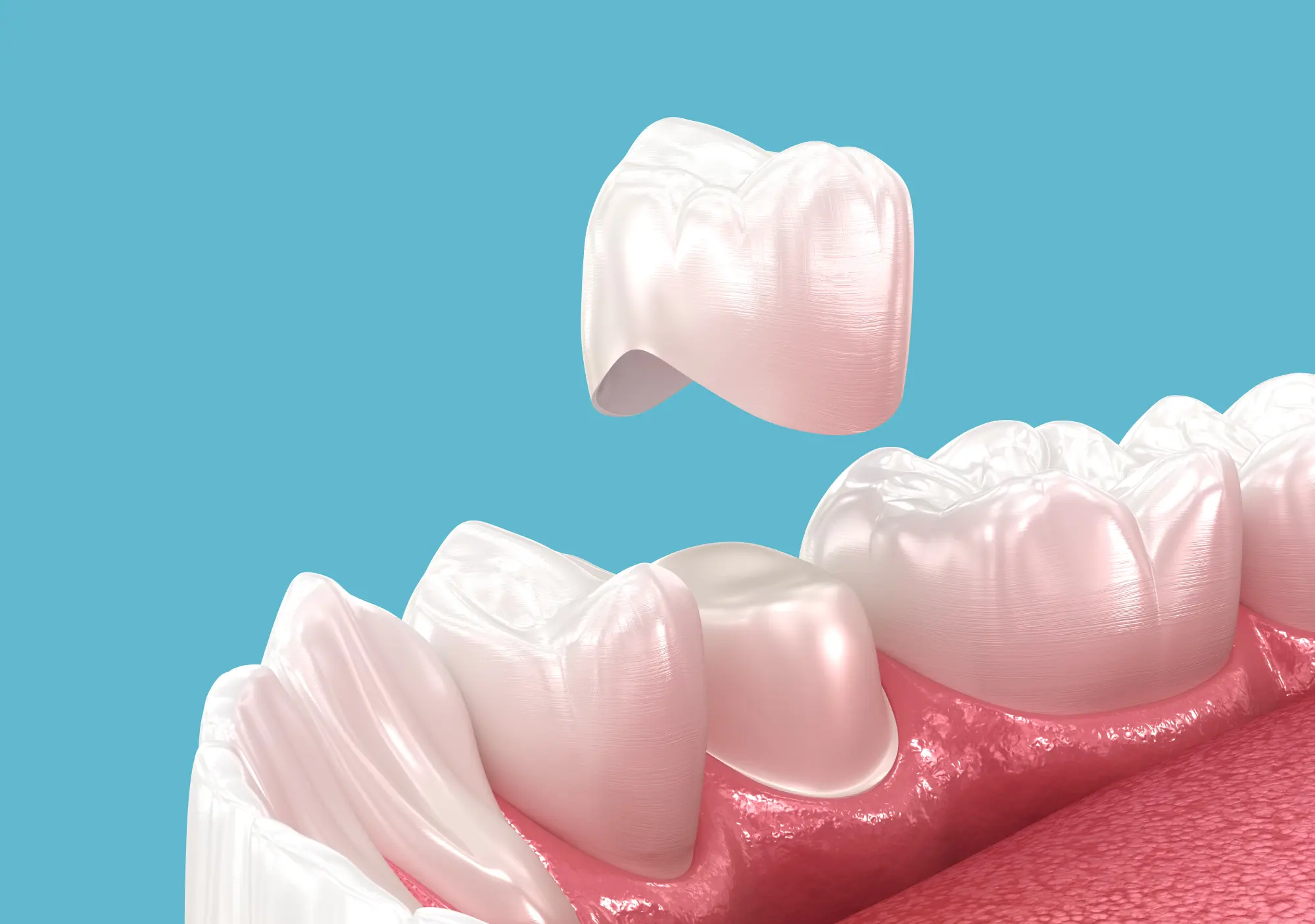
A dental crown is a custom-made, tooth-shaped cap placed over a damaged or weakened tooth. It restores shape, strength, and appearance while preventing further decay or breakdown. But not every damaged tooth needs a crown, so what determines when it’s the right time?
Common Reasons a Crown May Be Recommended
- Severe Tooth Decay: When a filling can’t support the remaining tooth structure
- Cracked or Broken Teeth: Especially if the crack threatens the integrity of the tooth
- Following a Root Canal: To seal and protect a structurally compromised tooth
- Worn-Down Teeth: Often due to grinding (bruxism) or erosion
- Large Fillings: When little natural tooth remains to hold the restoration
- Cosmetic Enhancement: To cover misshapen or severely discolored teeth
Rather than waiting until the damage becomes irreversible, a dental crown can preserve and protect viable tooth structure, often avoiding extraction or extensive procedures down the line.
The Importance of Preserving Tooth Structure
Your natural teeth are biologically designed to last a lifetime. But once tooth structure is lost, it doesn’t grow back. That’s why patients in Thousand Oaks and surrounding areas turn to trusted providers like Dr. Kleiger at Ean Kleiger, DDS Family & Cosmetic Dentistry to make the right call, before minor dental issues escalate into major ones. Crowns offer long-term protection in situations where:
- The tooth is at risk of fracturing
- Filling a cavity would further weaken the tooth
- A root canal leaves the tooth hollow and fragile
Preserving the natural tooth whenever possible benefits your bite, jaw health, and overall function. Crowns serve not only to restore damaged teeth but also to prevent avoidable tooth loss.
What Happens If You Delay Getting a Crown?
Choosing to "wait it out" may seem like a reasonable temporary fix, but it typically leads to bigger problems and higher treatment costs. Here’s what commonly happens when a recommended crown is delayed:
- The tooth weakens further, eventually fracturing
- Pain and sensitivity increase with everyday chewing
- An untreated crack allows bacteria to enter the pulp, possibly requiring a root canal
- The tooth becomes non-restorable and may need extraction
By saying yes to a crown when Dr. Kleiger first recommends it, you’re investing in the prevention of far more invasive and costly procedures later.
The Crown Placement Process: What to Expect
Putting off a needed dental crown often comes from fear of the unknown. But the process is painless, straightforward, and designed with your comfort in mind. Here's what happens step by step:
- Assessment: Dr. Kleiger evaluates your tooth using X-rays and visual inspection.
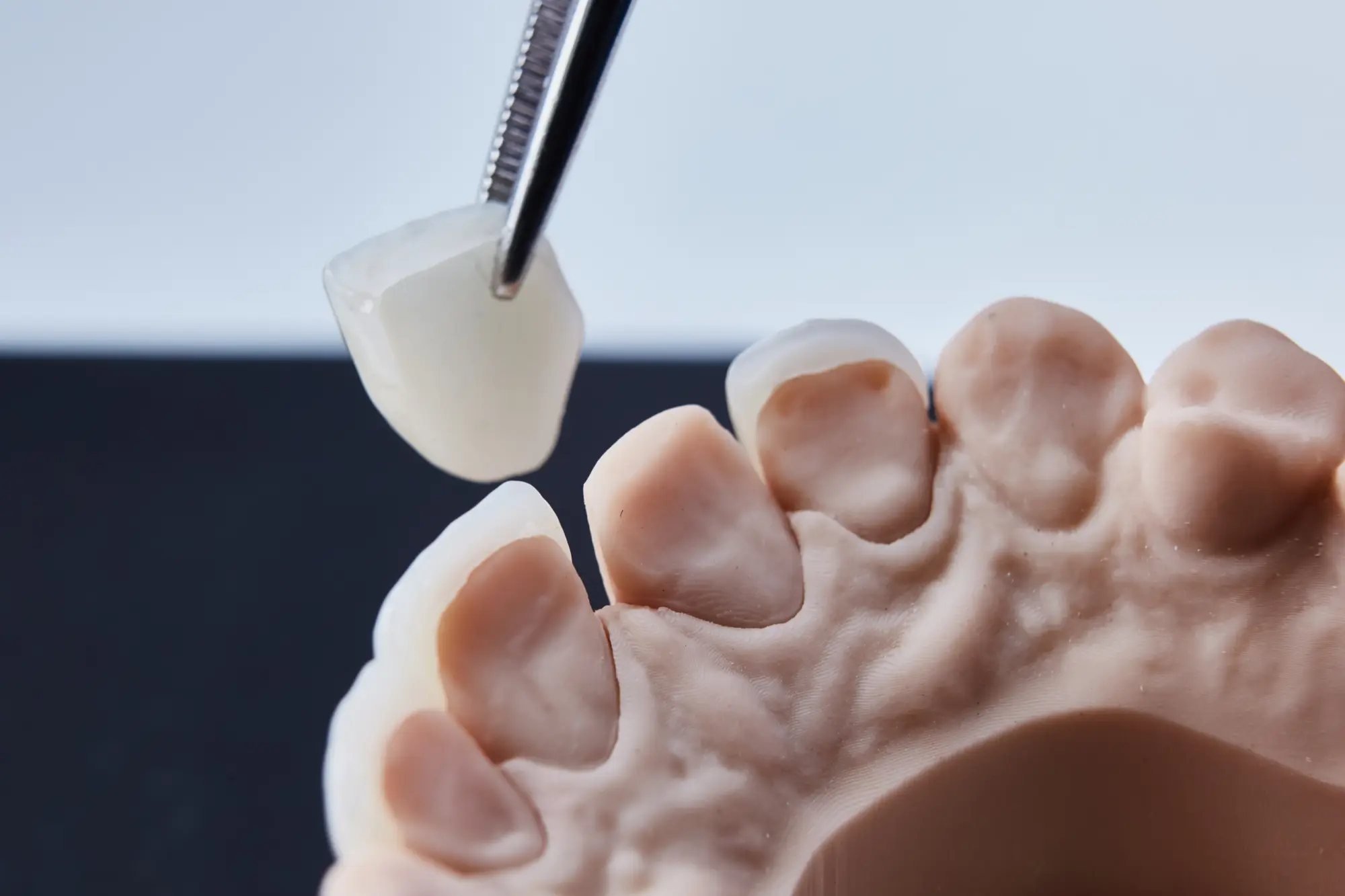
- Preparation: The tooth is reshaped, and a digital impression is taken.
- Temporary Crown: You’ll wear a temporary crown while your permanent one is crafted.
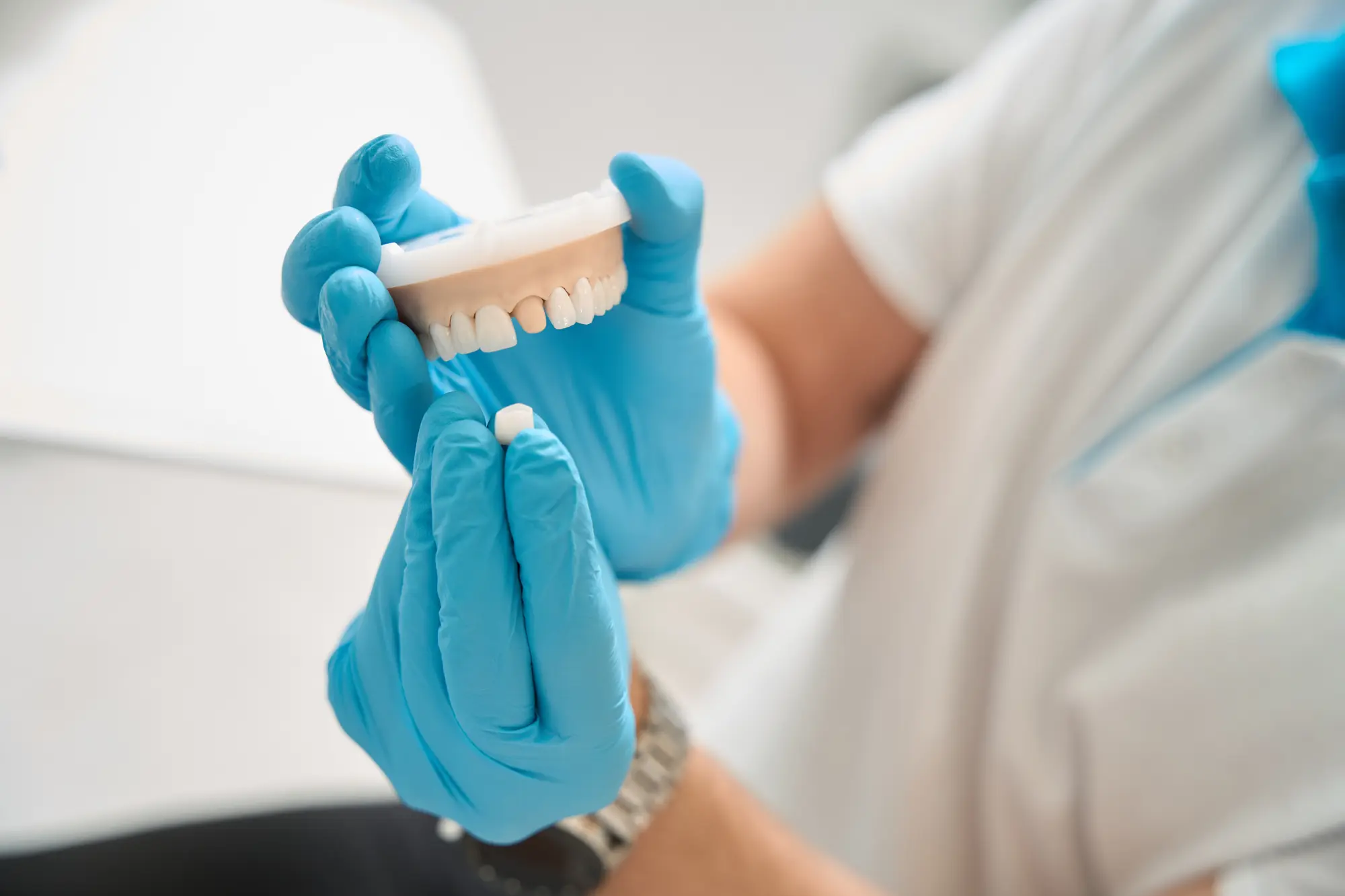
- Final Placement: The final crown is bonded to the tooth in a second visit.
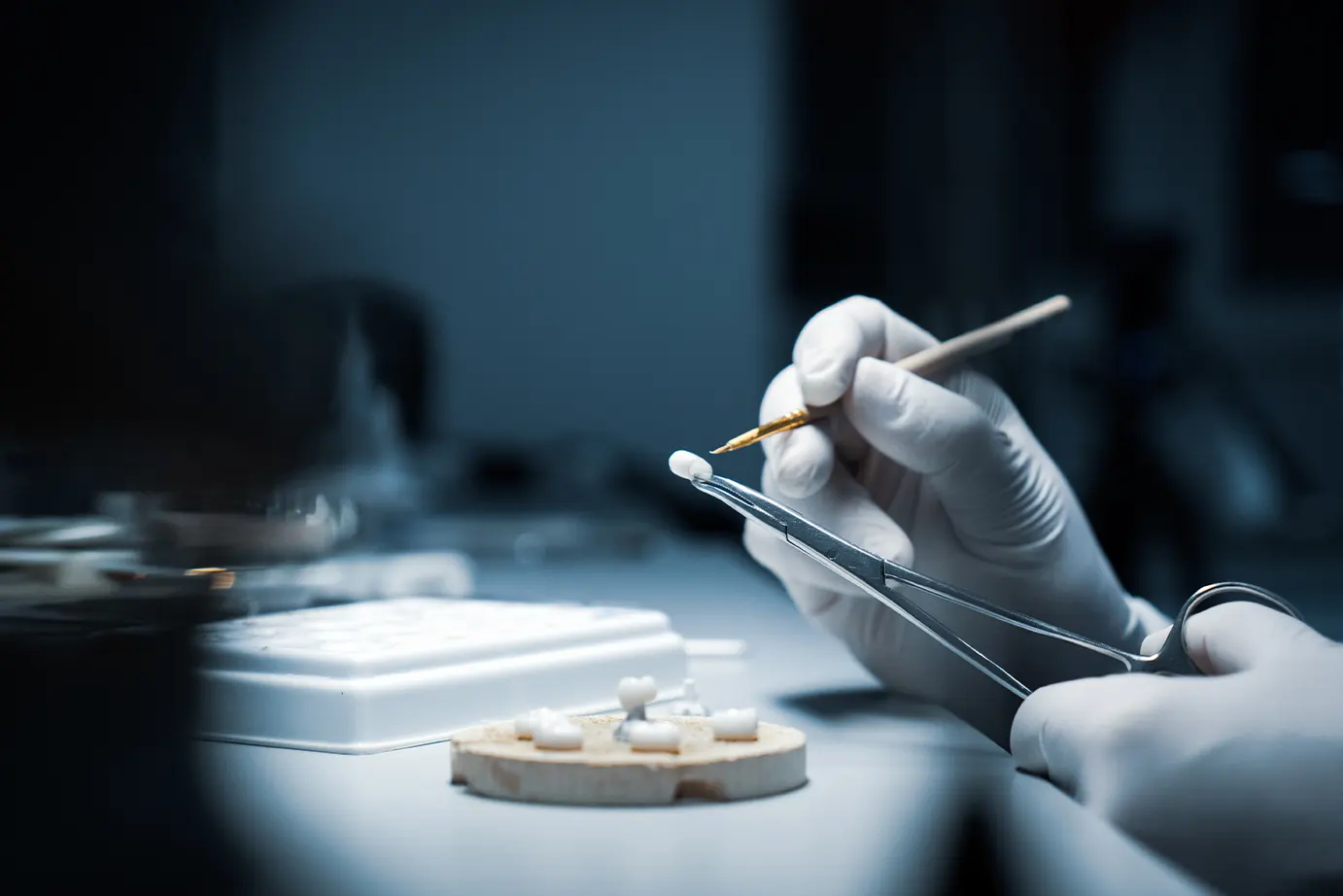
With advanced materials like porcelain and ceramic, today’s crowns are more natural-looking and longer-lasting than ever, blending seamlessly with your smile.
Frequently Asked Questions About Dental Crowns
How long does a crown last?
With proper care, most crowns can last 10 to 15 years, or even longer, making them a durable, long-term solution.
Is the procedure painful?
No. Local anesthesia is used to numb the area, and most patients experience minimal to no discomfort during or after the procedure.
What materials are used for crowns?
Crowns can be made from ceramic, porcelain fused to metal, metal alloys, or zirconia. Dr. Kleiger will recommend the best option based on your tooth’s location and aesthetic needs.
Why Choose Dr. Kleiger for Your Dental Crown?
When your tooth’s future depends on precision, trust, and expert care, patients in Thousand Oaks and surrounding areas choose Dr. Ean Kleiger for several reasons:
- Over 25 Years of Experience: Offering a deep understanding of restorative and cosmetic dentistry
- Personalized Consultations: Explaining your options clearly, without pressure
- State-of-the-Art Technology: Including digital imaging and carefully crafted restorations
- Comfort-Focused Experience: Patients trust his calm, compassionate approach to care
At Ean Kleiger, DDS Family & Cosmetic Dentistry, restoring your smile is always about saving as much of the natural tooth as possible. A conservative approach ensures you get the best functional and aesthetic outcomes with the least disruption to your life.
Take Action to Protect Your Teeth, Before It’s Too Late
Understanding when a crown is necessary could be the difference between saving your natural tooth or needing more extensive dental work. If you're experiencing tooth pain, sensitivity, or have been told you need a crown, don’t wait until it's too late.
Dr. Kleiger and his experienced team are here to help you make informed, confident decisions about your dental health. Call (805) 494-4234 today or schedule an appointment at our Thousand Oaks office to see if a crown is truly necessary, and how it could protect your smile for years to come.