Can Treating Gum Disease Reduce the Risk of Heart Disease and Diabetes?
If you’ve been putting off that dental cleaning or gum treatment, you’re not alone. But what most people don't realize is how closely oral health is tied to your overall wellness.
If you’ve been putting off that dental cleaning or gum treatment, you’re not alone. But what most people don't realize is how closely oral health is tied to your overall wellness. In fact, scientific research has uncovered a strong connection between gum disease and serious systemic conditions like heart disease and diabetes.
The question is no longer whether or not your oral health and whole-body health are connected. They are, and we have the scientific research to prove it! The real question is about how much your mouth is contributing to bigger health issues, and what you can do about it!
Understanding the Link Between Gum Disease and Chronic Illness
Gum disease, also known as periodontal disease, is more than just bleeding gums and bad breath. At its core, it's a chronic inflammatory condition caused by bacterial plaque buildup. When left untreated, it can lead to tooth loss and irreversible damage to the bone structure that supports your teeth.
But the bacteria and inflammation don’t stay confined to your mouth. They can enter your bloodstream and travel throughout your body, setting off alarm bells for more serious conditions:
- Heart disease: Inflammation plays a major role in the development of atherosclerosis, or the narrowing of arteries. Bacteria from periodontal infections may contribute to plaque in the arteries, increasing the risk of heart attacks and strokes.
- Diabetes: Gum disease can make blood sugar harder to control, and high blood sugar creates an ideal environment for oral infections: leading to a dangerous cycle.
According to the American Heart Association and American Academy of Periodontology, there is a consistent and growing body of evidence supporting the link between periodontal disease and systemic health issues. While treating gum disease doesn't cure heart disease or diabetes, it may reduce the overall inflammation and bacterial spread that worsen these conditions.
Signs You Might Have Gum Disease
Nearly half of adults over 30 have some form of periodontal disease, yet many don’t know it. Common signs include:
- Swollen, red, or bleeding gums
- Persistent bad breath
- Gums pulling away from teeth
- Loose or shifting teeth
- Sensitivity while chewing
Even if you aren’t experiencing severe symptoms, routine dental exams can uncover early stages of gum disease. Early intervention is key to both oral and systemic health.
How Treating Gum Disease Can Support Overall Health
Effective periodontal treatment reduces inflammation and bacterial levels in the mouth, ultimately lowering the body's systemic inflammatory burden. This isn’t just good for your smile: it’s beneficial for your heart and metabolic functions, too. Some of the potential health benefits of treating gum disease include:
- Improved blood sugar control in patients with diabetes
- Reduced risk of cardiovascular complications
- Lower levels of systemic inflammation markers like C-reactive protein
- Better immune response and overall health stability
Understanding What Gum Disease Treatment Involves
At Ean Kleiger, DDS Family & Cosmetic Dentistry in Thousand Oaks, CA, our gum disease treatment plans are tailored to each individual’s needs and stage of periodontal disease. Dr. Kleiger uses advanced techniques to target infection and promote healing without unnecessary discomfort. Treatment may include:
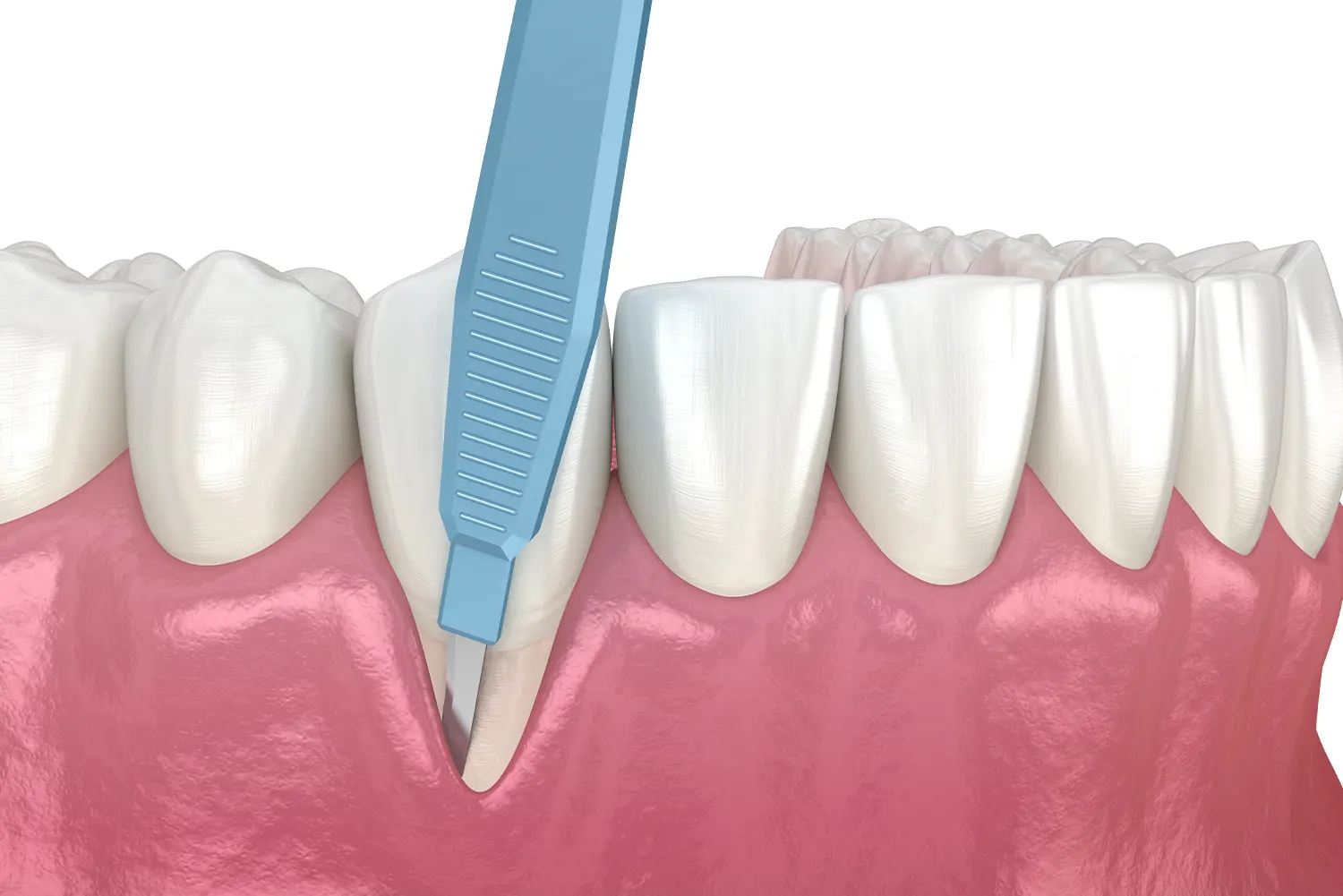
- Scaling and root planing: Deep cleaning that removes plaque and tartar below the gumline.
- Antibiotic therapy: Topical or oral medications to reduce bacteria.
- Laser therapy or surgery: In more advanced cases, minimally invasive procedures may be necessary to restore gum tissue and reduce pocket depth.
- Ongoing maintenance: Regular cleanings and exams to prevent recurrence.
Patients often report not only healthier gums, but also better energy levels and overall wellness after periodontal therapy. It’s not just about saving your teeth. It’s about enhancing, protecting, and extending your life!
Why Prevention Is Just As Important
While treatment is effective, prevention is always more straightforward and less costly. Here’s how you can reduce your risk of gum disease and by extension, lower your risk for heart disease and diabetes:
- Brush twice daily with fluoride toothpaste
- Floss at least once a day
- Get regular dental checkups every 6 months
- Avoid tobacco use, which weakens gum tissue
- Manage underlying conditions like diabetes proactively
- Eat a balanced diet rich in nutrients that support gum health
Choose a Dental Provider Who Understands the Bigger Picture
Your oral health is a window to your overall wellbeing. That’s why Dr. Kleiger and the team at Ean Kleiger, DDS Family & Cosmetic Dentistry take a comprehensive approach to care. We look beyond your teeth and take your full health history into account when creating personalized treatment plans.
Our office in Thousand Oaks, CA prioritizes patient education and preventative care, so you can make informed, confident decisions about your dental and general health. Whether you're noticing the first signs of gum irritation or managing chronic conditions like heart disease or diabetes, your oral care can play a vital role in your health strategy.
Take Control of Your Health, Starting with Your Smile!
Gum disease doesn’t just threaten your teeth. It may also contribute to serious conditions like heart disease and diabetes. Fortunately, you can take meaningful steps to reduce your risk. Don’t wait for symptoms to get worse. Let Dr. Kleiger and his caring team help you regain control of your health with expert periodontal care, right here in Thousand Oaks.
Call (805) 494-4234 today to schedule your appointment at Ean Kleiger, DDS Family & Cosmetic Dentistry. Your path to better oral health and whole-body health could start with your next dental cleaning.