Implant Crown vs. Traditional Crown: What’s the Difference?
You’ve finally decided to fix that damaged or missing tooth, but now you’re facing a new challenge: choosing the right type of crown.
You’ve finally decided to fix that damaged or missing tooth, but now you’re facing a new challenge: choosing the right type of crown. Do you go with a dental implant crown or stick with a traditional crown? If terms like “abutment,” “post,” or “cementation” make your head spin, you’re not alone. Understanding the difference between an implant crown and a traditional crown is essential before deciding which option is best for your smile and your health.
At Ean Kleiger, DDS Family & Cosmetic Dentistry in Thousand Oaks, CA, Dr. Kleiger helps patients make clear, confident decisions about their dental care every day. If you’re unsure which type of crown suits your needs, read on! You're about to uncover how each option works, what makes them different, and how to ensure long-lasting results.
What Is a Traditional Crown?
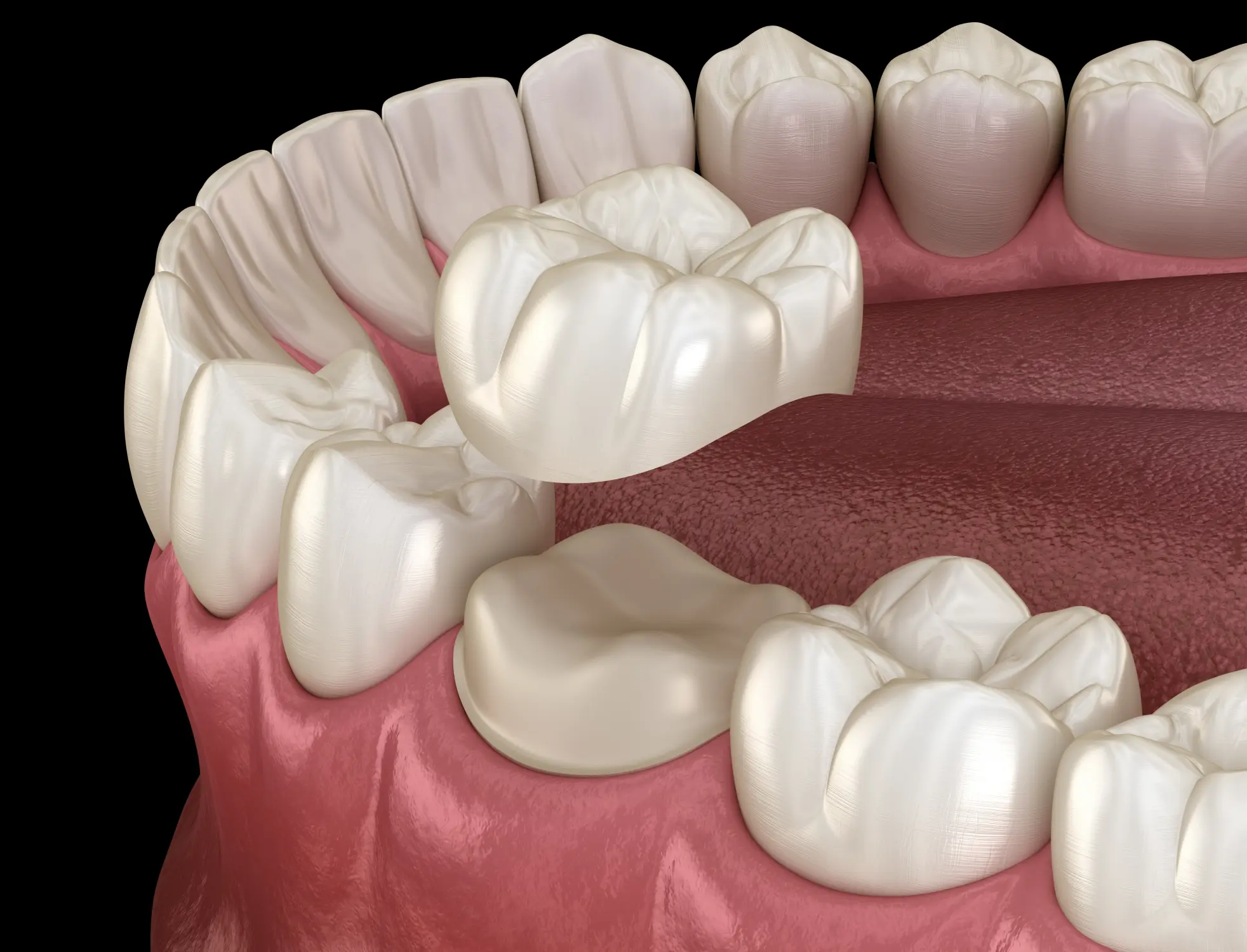
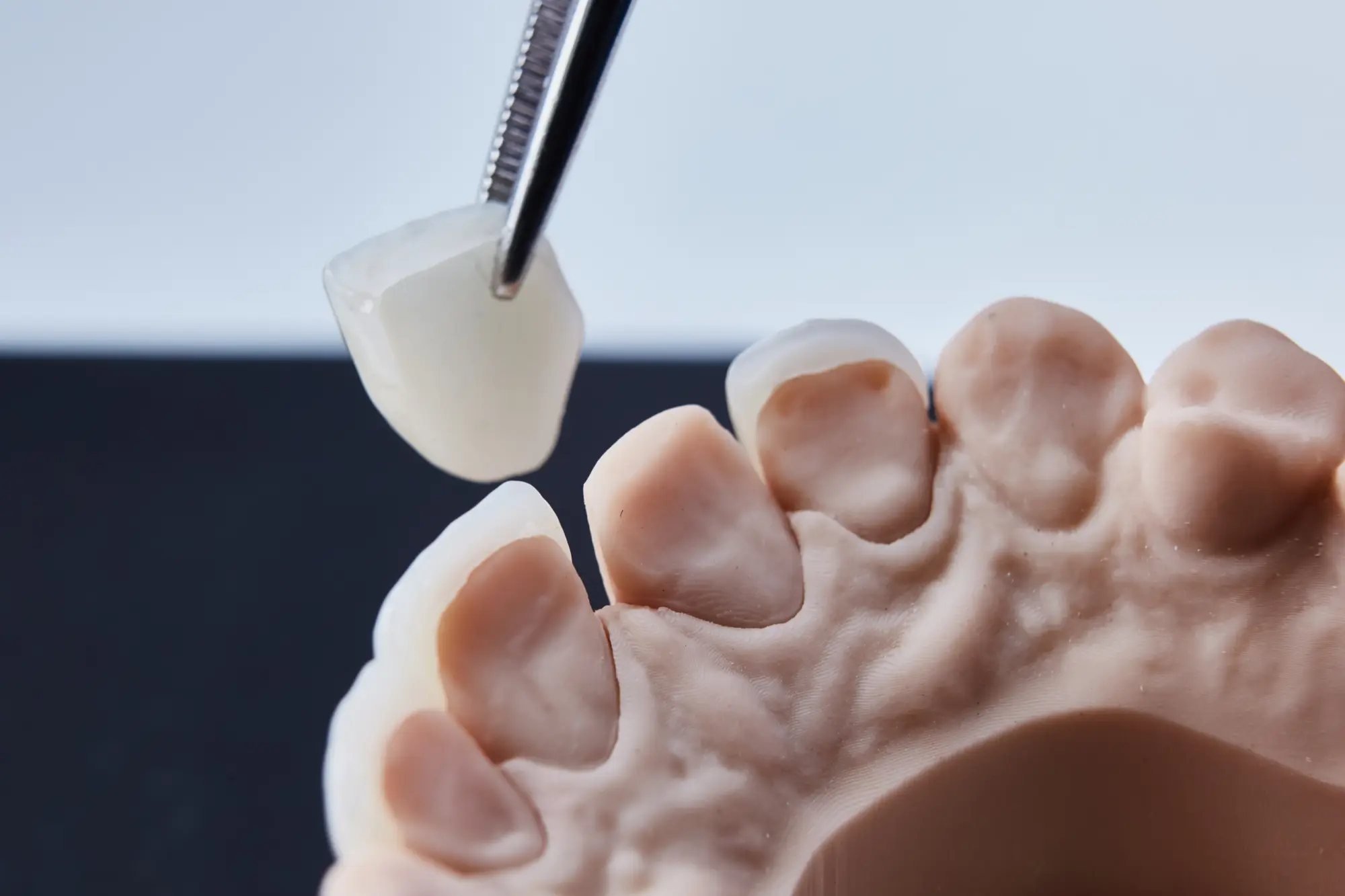
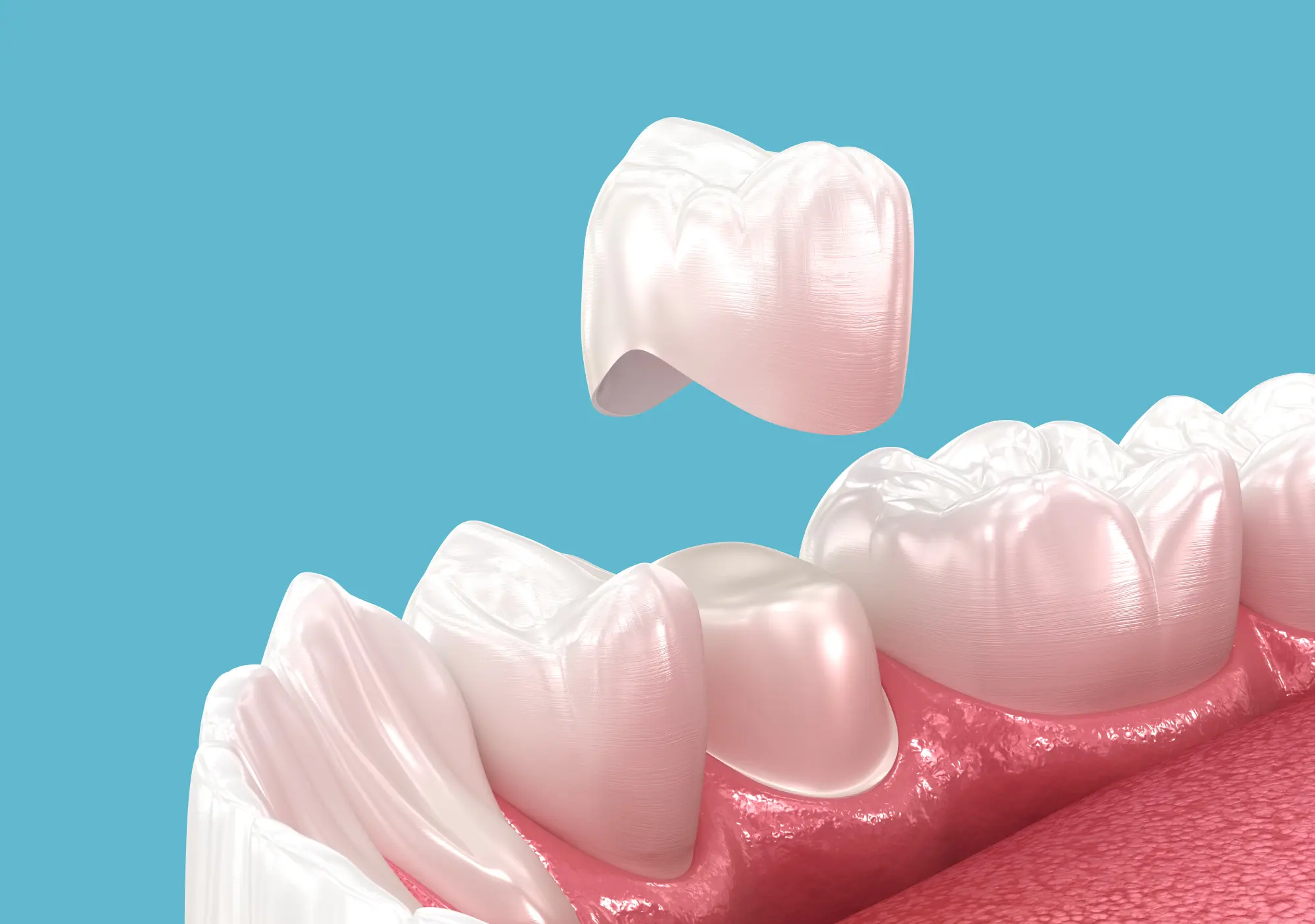
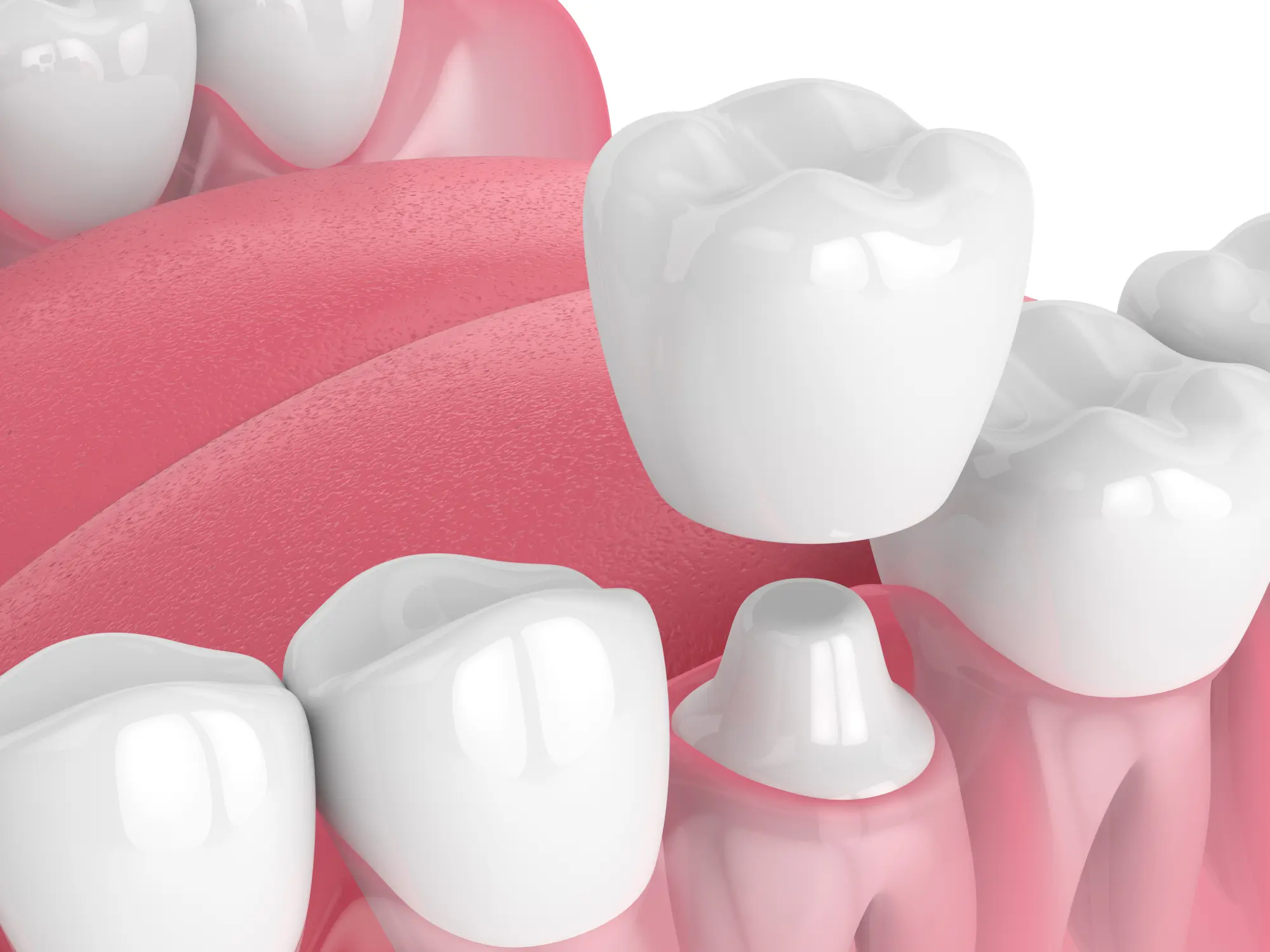
A traditional crown is a custom-made cap placed over a damaged, decayed, or worn tooth. It restores the tooth’s shape, size, and strength while also improving appearance. While they can be used for purely cosmetic reasons, this is not very common.
Traditional crowns are usually made out of ceramic or metal, or a combination of both materials. They're usually the best option for repairing teeth with extensive cavities, covering up treated teeth after a root canal, and fixing teeth after dental trauma like a chip, crack, or break.
What Is an Implant Crown?
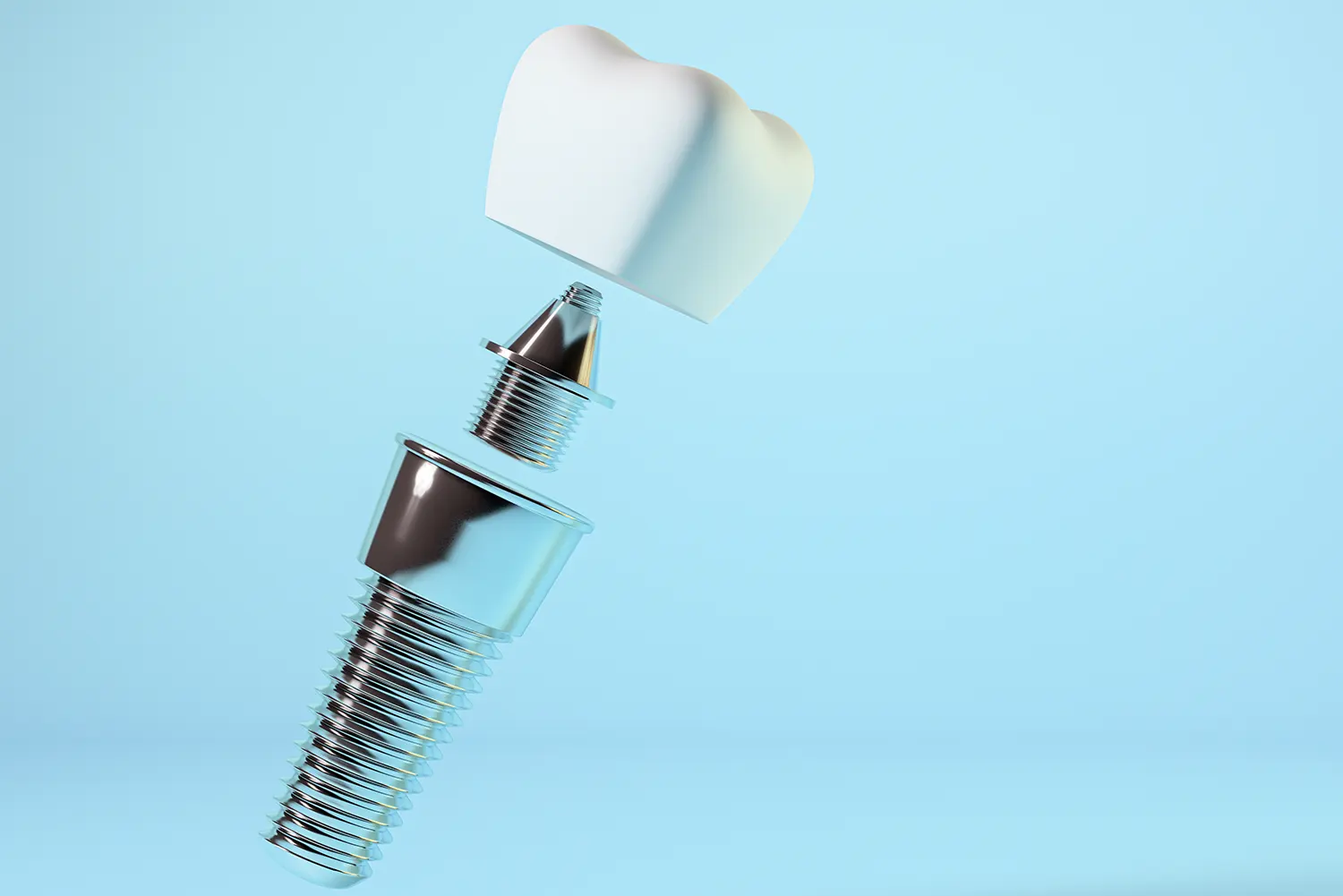
An implant crown is the visible part of a dental implant. Unlike a traditional crown that sits on top of a natural tooth, an implant crown is attached to a titanium post that replaces the tooth root. This post is surgically inserted into the jawbone and allowed to fuse through a process called osseointegration.
Unlike traditional crowns, implant crowns completely replace the missing tooth permanently. The crown can easily last 15 years or longer, and the implant post typically lasts 20-30 years or even a lifetime. The entire dental implant process happens in stages and may take a few months, but the results are long-lasting and remarkably natural-looking.
Key Differences Between Implant Crowns and Traditional Crowns
While both types of crowns serve to restore the function and appearance of your smile, they differ in origin, procedure, and long-term care.
Root Structure
Traditional Crown: Requires your natural tooth and root to be structurally sound.
Implant Crown: Replaces the entire tooth, including the root, with a titanium post.
Installation Timeline
Traditional Crown: Usually completed within 1-2 visits over a period of 2-3 weeks
Implant Crown: Requires multiple stages over 3-6 months (implants need time to fuse with bone).
Longevity
Traditional Crown: Typically lasts 10-15 years with good care.
Implant Crown: Crown restoration up to 15 years, implant posts can last 30+ years and are often permanent.
Impact on Surrounding Teeth
Traditional Crown: May require reshaping adjacent teeth (as with bridges).
Implant Crown: Preserves neighboring tooth structure and prevents bone loss at the site of the missing tooth.
Which Option Is Right for You?
The right crown depends on your dental health, available bone structure, and the condition of the existing tooth. Dr. Kleiger conducts comprehensive evaluations at his practice to determine the best treatment for each individual case.
You may be a great candidate for an implant crown if you:
- Have one or more missing teeth
- Have enough healthy jawbone to support an implant
- Are looking for a long-term solution with minimal maintenance
On the other hand, traditional crown might be ideal if you:
- Have a damaged but salvageable tooth
- Want a solution that’s quicker and less invasive
- Prefer a more cost-effective treatment
What to Expect During Each Procedure
Traditional Crown Process:
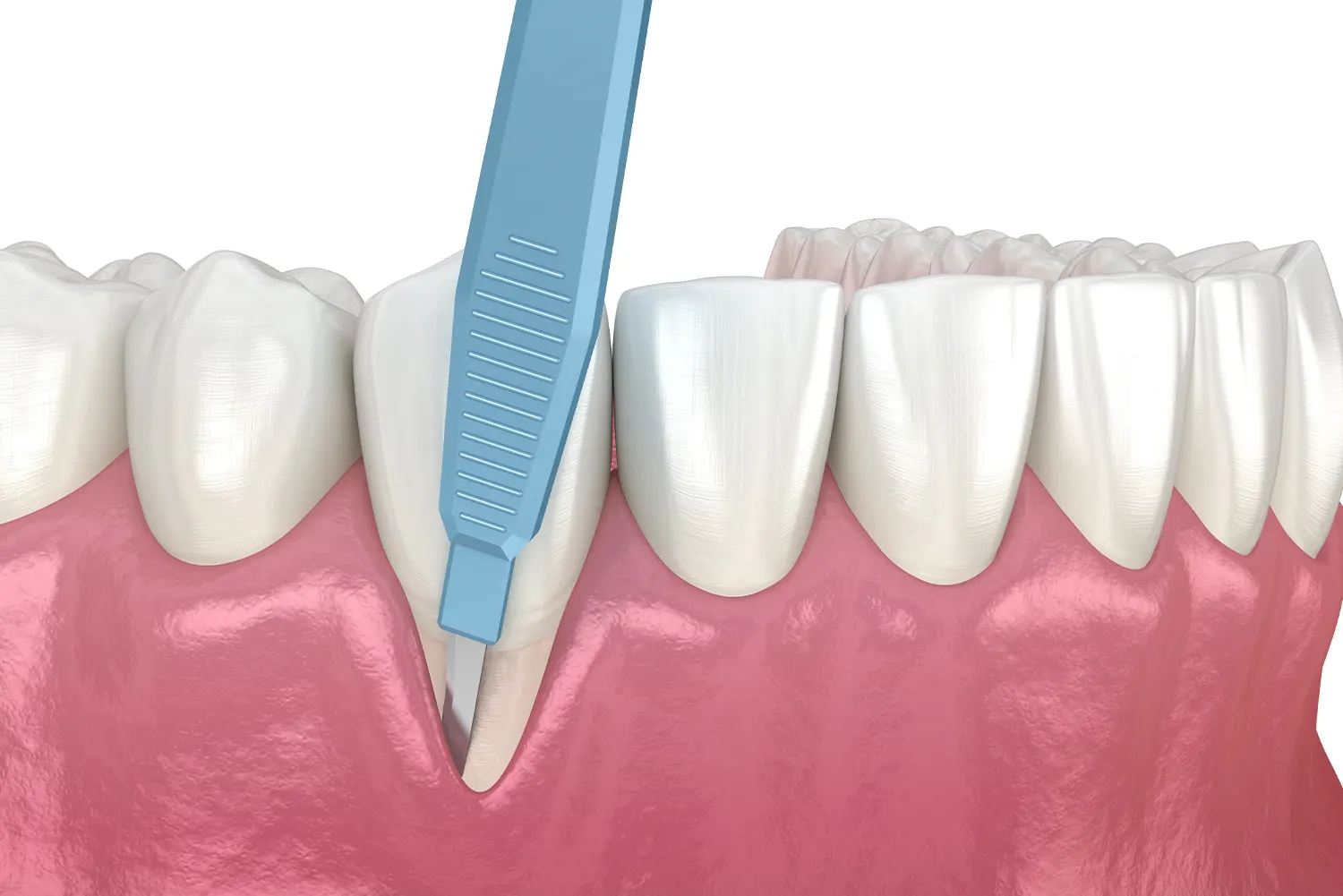
- The tooth is filed down and shaped
- An impression is taken for a custom crown
- A temporary crown is placed
- The permanent crown is bonded at the next visit
Implant Crown Process:
- Surgical placement of titanium post (under local anesthesia)
- Healing period of 3-6 months
- Placement of an abutment to connect the crown
- Custom crown is attached to the abutment
Implant Crown vs. Traditional Crown: Costs and Considerations
Implant crowns generally involve a higher up-front investment but often save money over time thanks to their durability and low maintenance. Traditional crowns may be more affordable initially but could need replacement sooner. At Ean Kleiger, DDS Family & Cosmetic Dentistry, we help patients understand the total cost of care and offer solutions that align with your health goals and budget.
Why Patients Trust Dr. Kleiger in Thousand Oaks
Choosing the right dental solution isn’t just about procedures, it’s about trust, comfort, and results. That’s why so many patients turn to Dr. Kleiger. With years of experience in cosmetic and restorative dentistry, Dr. Kleiger offers precise evaluations, state-of-the-art technology, and a gentle, honest approach.
Whether you’re getting your first crown or exploring implant options, your comfort and satisfaction come first. We deliver natural-looking results designed to restore full function, confidence, and peace of mind, without unnecessary pressure or upselling.
Still Deciding Between an Implant Crown and Traditional Crown? We Can Help!
Every smile is unique, and so is every dental solution. If you’re weighing the pros and cons between an implant crown vs. traditional crown, don’t go it alone. Let our compassionate team at Ean Kleiger, DDS Family & Cosmetic Dentistry guide you through your options.
We’ll help you make a decision that aligns with your health, goals, and budget. Call us today at (805) 494-4234 to schedule your consultation with Dr. Kleiger in Thousand Oaks, CA. A stronger, healthier smile is just one personalized visit away.